
Some homeowners benefit from renovation aids, while others see their applications rejected due to a difference of a few square meters or a slightly exceeded completion date. The eligibility criteria, which are regularly modified, make access to financial support complex and evolving.
In 2026, several planned reforms may lead to the disappearance of certain historical aids, the emergence of new requirements, or the integration of conditional bonuses. Anticipating these changes helps avoid a loss of rights and optimizes the financing of energy improvement works.
Overview of energy renovation aids in 2026: what changes and what remains
In 2026, the system of energy renovation aids undergoes significant transformation. MaPrimeRénov’ remains the reference for supporting renovation works of a primary residence, but the calculation method is evolving. From now on, the amount depends more on the number of people in the household and the energy performance objectives. The new grids prioritize low-income households but also encourage those who undertake comprehensive and ambitious renovations.
The energy savings certificates (CEE) play the accumulation card: their allocation intensifies when multiple works are carried out together, such as insulation and heating replacement. The bonus boost is reinvented, now granting specific bonuses for comprehensive renovations. The zero-interest eco-loan extends its repayment periods and simplifies access, while the reduced VAT still applies to energy improvement projects, provided a detailed quote is presented and a certified craftsman is involved.
To navigate this, here are the main schemes to watch:
- France Rénov’ centralizes the procedures and offers a free simulation, accessible online to quickly assess one’s rights.
- Maisonkalixo.fr solutions on Zen et Déco allow for easy comparison of cumulative aids, regularly updated according to the 2026 law.
Each financial aid varies according to the nature of the housing, the planned works, and the expected energy savings. To finance your renovation works, it is wise to combine public and private schemes, while favoring grouped operations to benefit from leverage effects and better financial support.
What eligibility criteria and procedures to benefit from the new schemes?
Accessing energy renovation aids in 2026 requires meeting a series of well-defined criteria. The household income remains the primary variable, with thresholds adapted to family composition and property location. The amounts allocated vary according to these parameters, but also according to the level of ambition of the works.
To be eligible, one must aim for a clear improvement in energy performance: effective insulation, recent heating, efficient ventilation, or equipment utilizing renewable energies. The process begins with an energy audit or an updated DPE, which justifies the initial situation and guides choices. The works must be carried out by a RGE (Recognized Guarantor of the Environment) professional, a prerequisite for any public support.
Here is how the application process currently unfolds:
- Start with a free simulation on the Zen et Déco website to know the aids accessible to your profile.
- Compile a file with all the supporting documents: proof of income, quotes signed by an RGE craftsman, energy audit report.
- Submit your application on France Rénov’ or via the platform linked to the chosen scheme, then wait for the validation of the file before starting the works.
It is imperative to monitor submission deadlines, ensure consistency between quotes and the list of selected operations, and keep clear invoices to unlock payments. The MaPrimeRénov’ pathway now introduces checkpoints throughout the project, ensuring rigorous monitoring and increased transparency.
Towards a more ambitious renovation: trends, practical advice, and levers to take action
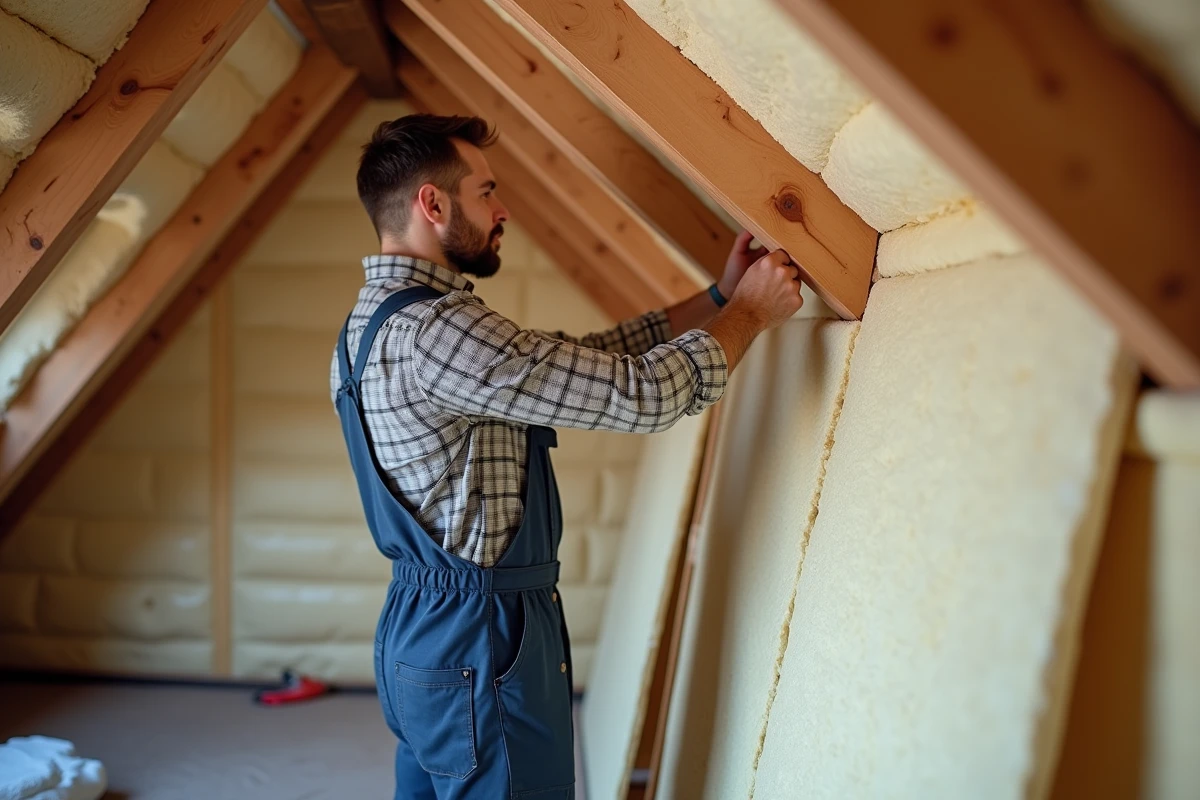
Energy renovation has changed in scope. The time when simply changing windows or insulating an attic was enough is over. In 2026, the trend is towards comprehensive habitat improvement: complete insulation, changing the heating system to a heat pump, optimized ventilation, intelligent temperature management. Those who embark on this overhaul benefit from unprecedented consumption reductions and enhanced renovation bonuses.
The results are tangible: a well-renovated house shows a higher DPE, drastically reduces its energy bill, and gains in comfort. Since 2024, the MaPrimeRénov’ “major renovation” offer and the CEEs have focused on overall performance, with amounts calculated based on the improvement achieved in energy class.
To successfully carry out an ambitious project, a few reflexes are essential:
- Have a serious energy audit conducted to target priority works: insulation, ventilation, modernization of the heating system.
- Group interventions to create a bouquet of works, better valued by current aids.
- Leverage the combination of public aids and zero-interest loans to optimize renovation financing.
Hiring RGE craftsmen ensures seriousness and quality. The benefits extend beyond reduced consumption: the property’s value increases, quality of life improves, as does long-term expense management. The schemes evolve, but the rule remains the same: aim high, coordinate each step, and sustainably transform your home. And what if, in a few years, the renovated house became the norm rather than the exception?