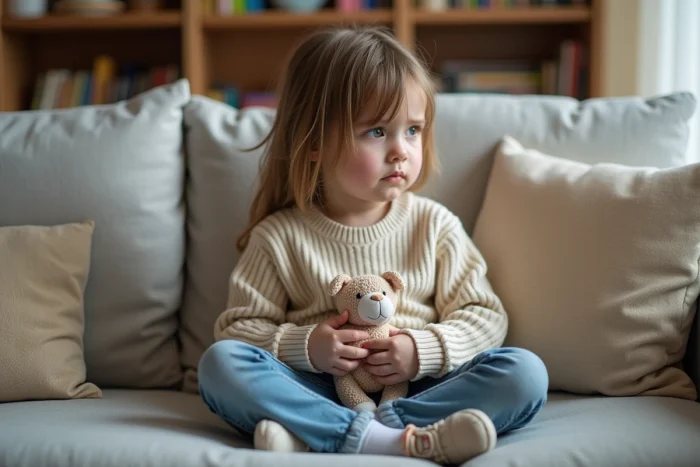
Some behavioral disorders in children go unnoticed for a long time, hidden behind attitudes deemed temporary or part of their personality. Atypical manifestations often do not appear in any classic manual, delaying detection and appropriate support.
Early detection remains crucial. An adjusted intervention can change the course of development and preserve family balance. Being able to distinguish specific signs, even subtle ones, prevents wandering and misunderstanding, effectively guiding towards appropriate solutions.
Understanding the Spirit Syndrome: When should parents be concerned about behavioral disorders in children?
Detecting the symptoms of Spirit Syndrome in a child requires attentive and relentless observation. The disorder falls within the broad spectrum of behavioral pathologies, often intertwined with oppositional defiant disorder, attention deficit hyperactivity disorder (ADHD), or issues of hypersensitivity and even high intellectual potential. Some children seem to be in constant resistance, refusing instruction after instruction, and erupting without warning. Others alternate between agitation, impulsivity, and difficulties in channeling emotions and reactions.
The context plays a significant role. An unstable family environment, psychological factors such as anxiety, or genetic factors can exacerbate the onset or intensity of the syndrome. At school, the signals multiply: refusal of authority, isolation, repeated disputes, fluctuating academic results. In the eyes of teachers, these children are often labeled as “difficult,” even though the disorder does not fit into any of the classic classifications.
This diversity of profiles complicates the diagnostic process: the hypersensitive, gifted, or talented child may express these disorders in a very unique way, sometimes hidden behind brilliant intellectual abilities. Therefore, it is essential to remain vigilant when inappropriate behaviors persist despite educational adjustments. Family life becomes heavier, parental exhaustion sets in, and it becomes urgent to identify the symptoms of Spirit Syndrome to avoid isolation and access specialized help.
What signs should alert parents? Typical symptoms and manifestations to observe daily
Spirit Syndrome first manifests as a persistent opposition to any form of authority. The child finds themselves caught in a cycle of opposition from which they cannot escape. Outbursts occur, often without warning, and managing frustrations becomes a daily challenge. Emotionally, everything can shift very quickly: anger, irritability, and overwhelming feelings leave the adult feeling helpless.
Here are the signals that deserve the utmost attention in daily life:
- Persistent refusal to obey or follow instructions, even simple ones
- Tendency to blame others when faced with difficulties or mistakes
- Emotional rollercoaster: hypersensitivity, frequent crying, disproportionate reactions
- Isolation or repeated conflicts with peers, at home or at school
Attentive observation of the child’s behavior is the best tool for identifying the signs of Spirit Syndrome. Some confront adults directly, others withdraw, and some express their distress through physical ailments (abdominal pain, sleep disturbances) or diffuse anxiety. It is also important to differentiate between a temporary reaction related to age and a persistent difficulty. When the cycle of opposition becomes the norm, when the child suffers from their own outbursts, and when family life is disrupted, parental vigilance becomes the first line of defense.
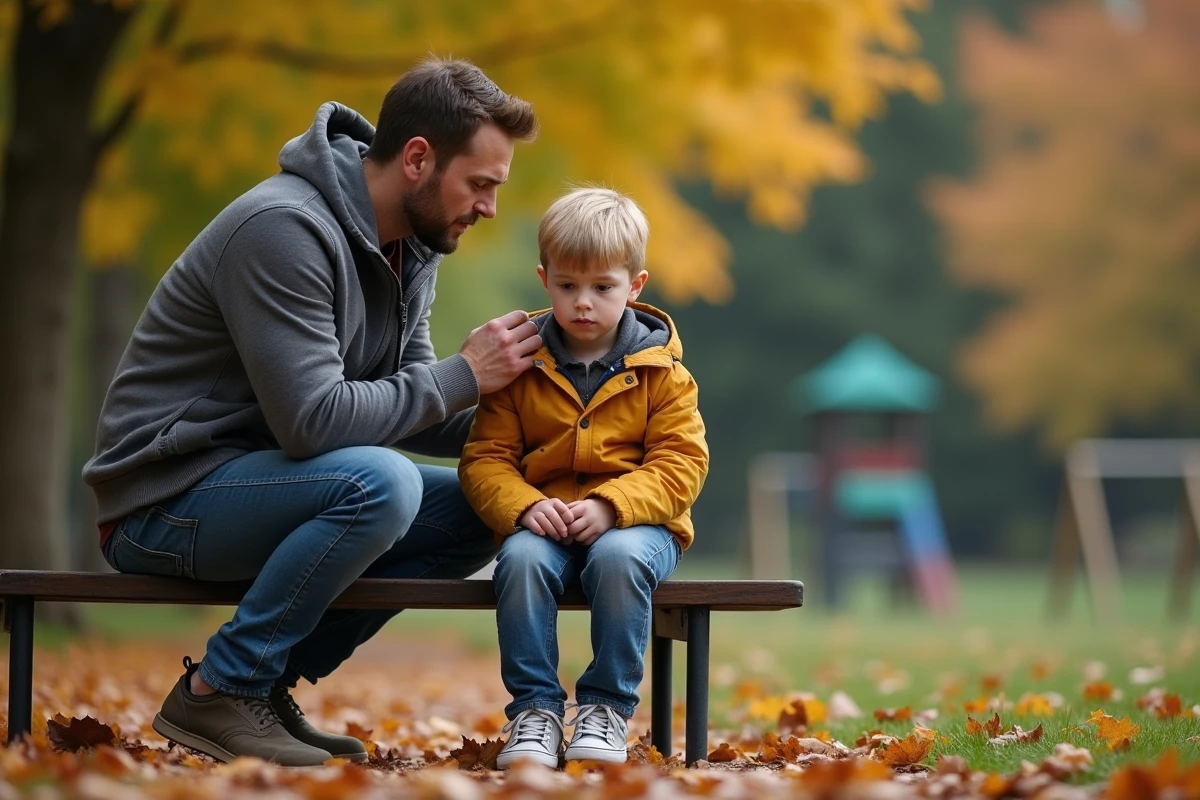
Supporting your child and finding help: what steps for appropriate and reassuring support?
Identifying Spirit Syndrome in a child means accepting that the next steps no longer rely solely on parental intuition. When crises repeat, when tension increases, it is time to turn to a psychologist or a healthcare professional. The intervention of specialists (psychologists, neuropsychologists, child psychiatrists) provides valuable insight: ruling out other possible diagnoses (such as ADHD or hypersensitivity), understanding the situation, and building an appropriate follow-up.
Various levers can be mobilized to help the child regain balance:
- Behavioral therapies and family therapies to work on relationships and self-regulation
- Implementation of structuring educational strategies such as token systems or positive reinforcement
- Use of neurotherapy, EEG neurofeedback, or biofeedback to support emotional management
Parents benefit from being equipped: specialized books, online resources, parenting training programs, support from social workers. Exchange and co-construction are valuable allies: involving the child in understanding what is happening, helping them put words to their emotions, and testing different tools is already a step towards change. This journey is rarely done in solitude: surrounding oneself, seeking healthcare networks, and consulting trained professionals gives the child’s mental health—and by extension, the whole family—the best chance.
Facing Spirit Syndrome means choosing action in the face of the unknown. Every step, even hesitant, counts. Supporting your child ultimately opens the door to the possibility of regained calm for the child, the parents, and the overall balance of the household.